Tag

bell pepper

Browsing

This Swiss chard salad is light, fresh, and crunchy! It’s loaded with healthy vegetables and dressed with a simple red wine and dijon vinaigrette.
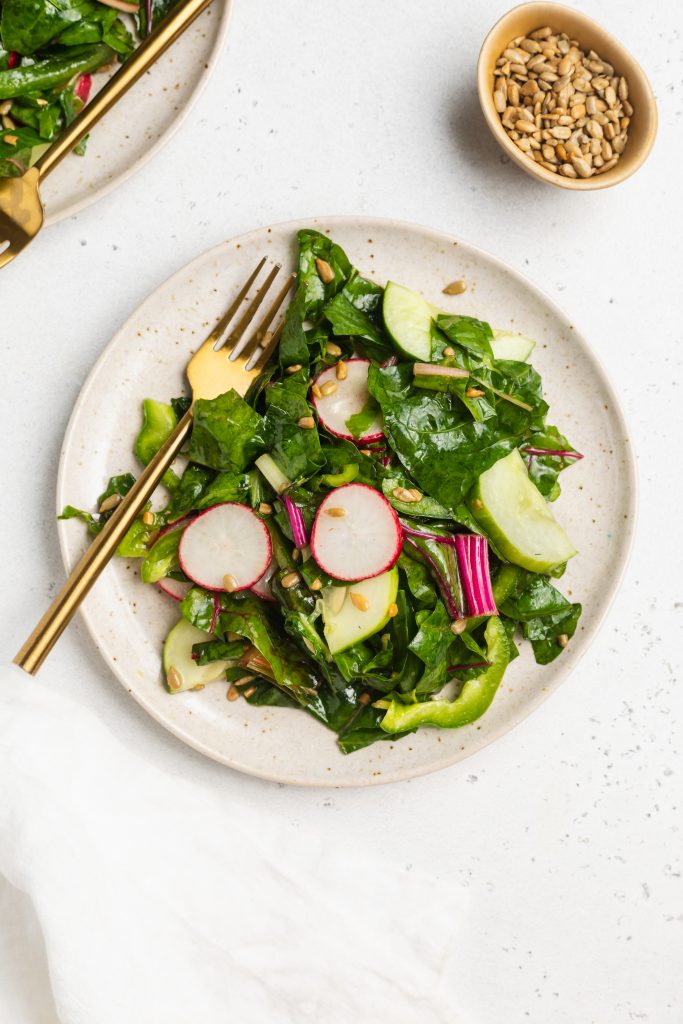
swiss chard salad on a plate with a fork and sunflower seeds on the side

Why Swiss Chard?

Swiss chard is a nutritional POWERHOUSE! It’s jam-packed with vitamins, minerals, and antioxidants. But before I really get into how healthy this Swiss chard salad is for you, let’s first talk about its taste. Swiss chard is sort of a cross between kale and spinach. It’s not quite as tough as kale, but also not as light as spinach. Swiss chard is most commonly cooked or sautéed to help break down its hearty texture. Though, like any raw fruit or vegetable, when you cook Swiss chard, you lose much of its nutritional benefits.

Admittedly, Swiss chard can be tough to chew when raw. HOWEVER, the method in the Swiss chard salad recipe below provides this veggie with the right ingredients and steps to break down on its own – without any exposure to heat. I don’t know about you, but to me, that’s a total win WIN. Swiss chard is a warm-weather vegetable, peaking from early spring to late fall. Unlike other lettuces, it can withstand hotter temperatures making it the last-man-standing during brutal July/August heatwaves. My parents have harvested a large amount of this hearty green vegetable over the last few months. And aside from its health benefits, that was one of the main reasons why I came up with this easy salad recipe!

Ok now back to the nutritional benefits! Swiss chard is full of:

  • Calcium (builds strong bones and teeth)
  • Vitamin C (aids in growth, development, and repair of all body tissues)
  • Iron (gives you energy and is vital to growth and development)
  • Vitamin E (big time antioxidant and protects body against free radicals)
  • Magnesium (supports a healthy immune system and muscle function)
  • Potassium (maintains heartbeat and a healthy blood pressure)
  • Vitamin A (great for skin health and cell growth!)
  • Folate (helps convert carbs into energy)
  • Vitamin K (positively contributes to bone, cognitive, and heart health)
  • Fiber (regulates hunger and blood sugar)

What You Need To Make Swiss Chard Salad

Sunflower Seeds – The sunflower seeds give this easy vegan salad recipe an irresistible crunch! Raw, cooked, unsalted, or salted will all taste equally as delicious in this dish – so use whichever kind you’d like. I went with roasted and salted sunflower seeds and they tasted incredible. This easy-to-find seed acts as a healthier crouton in this Swiss chard salad recipe. However, if you don’t have sunflower seeds, feel free to use any kind of seed or nut you’d like!

Red Wine Vinegar – The acidity in this vinegar is what helps to break down the fibers in swiss chard, therefore making it easier to eat and digest. Red wine vinegar is delightfully tangy, a little fruity, and has just a touch of sweetness. Additionally, I should probably mention just a few of the health benefits of red wine vinegarl. Red wine vinegar has been proven to lower blood pressure and blood sugar, as well as cholesterol. Therefore, as if the swiss chard wasn’t enough, this dressing addition makes this salad even healthier!

Swiss Chard Salad (Vegan, Gluten-Free)

0 from 0 votes
Recipe by Samantha Russo Course: SidesDifficulty: Easy
Servings

4

servings
Prep time

5

minutes
Chilling Time

15

minutes
Total time

20

minutes

This Swiss chard salad is light, fresh, and crunchy! It’s loaded with healthy vegetables and dressed with a simple red wine and dijon vinaigrette.

Ingredients

  • 1 bunch Swiss chard, chopped

  • 1/2 cucumber, sliced

  • 1 bell pepper, thinly sliced

  • 4-5 radishes

  • 1/4 cup sunflower seeds, see Notes

  • For the vinaigrette:
  • 3 tablespoons olive oil

  • 2 tablespoons red wine vinegar, see Notes

  • 1 tablespoon maple syrup or honey

  • 1 teaspoon Dijon mustard

  • 1/2 teaspoon salt

Directions

  • Mix all vinaigrette ingredients together in a large bowl then add in the vegetables and toss to coat. Cover and refrigerate for 15-20 minutes before serving.

Recipe Video

Notes

  • Sunflower Seeds: Feel free to use whatever kind of seed or nut you’d like in place of the sunflower seeds in this recipe! Pumpkin seeds, chopped walnuts, or sliced almonds would also make great additions.
  • Red Wine Vinegar: If you don’t have red wine vinegar, you can use white wine vinegar, apple cider vinegar, or balsamic vinegar instead.

Did you make this recipe?

Share it and tag @samdoesherbest on Instagram!

Like this recipe?

Follow us @samdoesherbest on Pinterest

Other Easy Salad Recipes You’ll Love

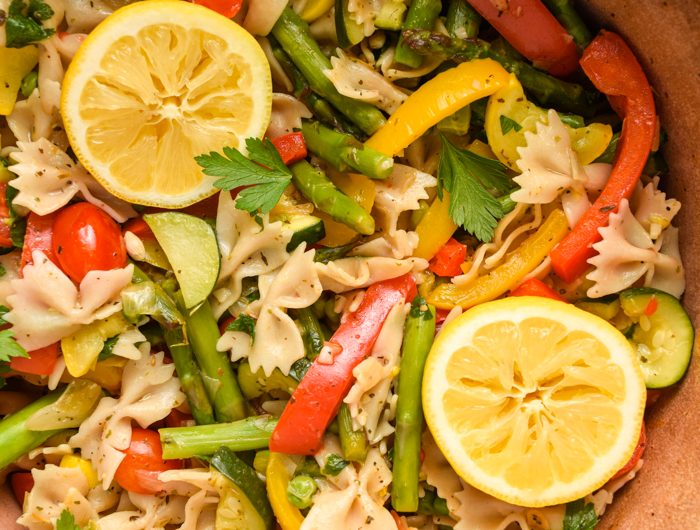
There’s no better way to welcome spring than with this fresh, bright, and flavorful pasta primavera recipe! This 20-minute meal is made with gluten-free pasta and vegan ingredients. It also includes plenty of options to customize it to your dietary needs. Make this pasta primavera when you’re craving something light and healthy, but also super satisfying.

Pasta Primavera

Nothing gets me excited for warmer weather quite like a big ole’ bowl of pasta primavera. What I love most about this dish, is it’s easy to customize with whatever fresh veggies you have on-hand! This recipe is perfectly seasoned with tons of bright lemon juice and a delicious combination of dried and fresh herbs. I really can’t get enough of this stuff in the spring and summer. My favorite thing to do is make a HUGE batch of pasta primavera and enjoy it allllll week long. It’s the perfect quick, easy and healthy lunch or dinner!

What You Need To Make Pasta Primavera

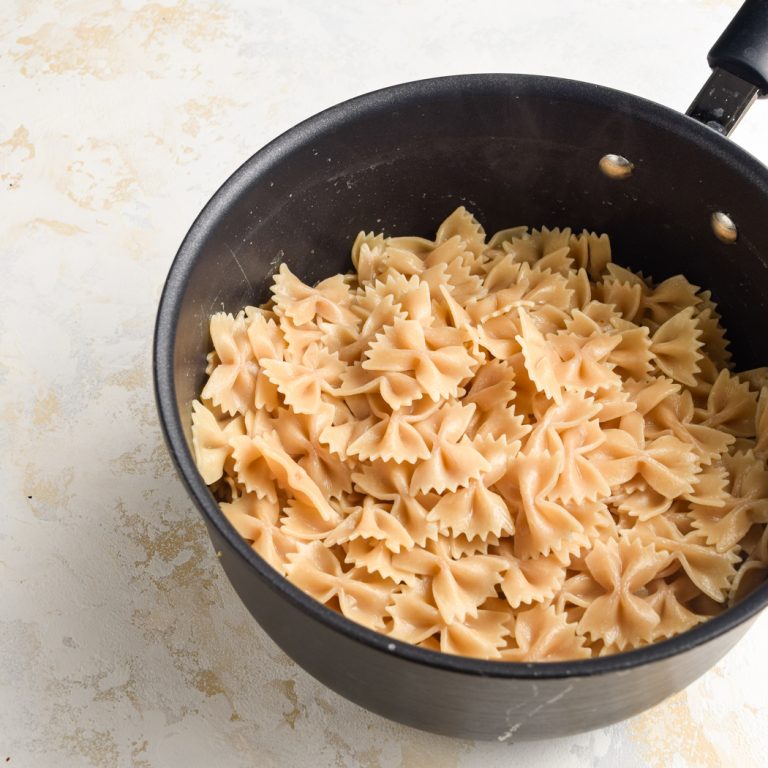
Gluten-Free Pasta – You can of course use whatever pasta you’d like in this recipe. I prefer either a penne or farfalle (bow-ties) in my pasta primavera, but really any shape will work. And for my gluten-free people, Jovial Brown Rice Pasta is, and always will be my number one – but go ahead use your favorite gluten-free pasta!

Dried Italian Herbs – Using dried Italian herbs in your pasta primavera will make your life so much easier. It’s the difference between having to purchase four or five separate bottles of dried herbs at the store, versus just buying one bottle with all four or five herbs mixed in it. Also, if you don’t have dried Italian herbs in your kitchen, do yourself a favor and get some – I cook with these herbs often.

Peas – Both fresh and frozen peas will work in this recipe. I used frozen because it’s easier, but if you can get your hands on fresh peas, go ahead and use those! Regardless of which type you’re using, just throw them straight into the recipe – no need to defrost frozen peas ahead of time.

Lemon Juice – I loooooove the taste of lemon in my pasta primavera. Though if lemon’s not your thing, you can cut the amount in this recipe in half. But if you’re like me, feel free to add an extra tablespoon or two of lemon juice to this recipe.

Fresh Parsley or Basil – I’ve made this recipe using both types of fresh herbs and they were equally as incredible. This comes down to personal preference. Pick whichever herb you like best, and add it to your recipe.

Adjust This Recipe To Your Dietary Needs

  • Make it Low-Carb: Use your favorite high-protein lentil or chickpea pasta in this recipe to make it higher in protein and lower in carbs.
  • Add Dairy: If you’re not dairy-free, sprinkle a little parmesan cheese on top of your finished dish.
  • Make it Paleo: Toss your cooked vegetables with some zucchini noodles for a paleo pasta primavera!

Pasta Primavera (V/GF)

0 from 0 votes
Recipe by Samantha Russo Course: MainCuisine: Italian/AmericanDifficulty: Easy
Servings

6

servings
Prep time

5

minutes
Cooking time

15

minutes
Total time

20

minutes

There’s no better way to welcome spring than with this fresh, bright, and flavorful pasta primavera recipe! This 20-minute meal is made with gluten-free pasta and vegan ingredients. It also includes plenty of options to customize it to your dietary needs. Make this pasta primavera when you’re craving something light and healthy, but also super satisfying.

Ingredients

  • 12 Ounces Gluten-Free Pasta, see NOTES

  • 2 Tablespoons Olive Oil

  • 1 Yellow Onion, chopped

  • 8 Ounces Asparagus, cut into 1 1/2-inch pieces

  • 1 Yellow Bell Pepper, cut into strips

  • 1 Red Bell Pepper, cut into strips

  • 1 Zucchini, chopped

  • 1 Yellow Squash, chopped

  • 1 Cup Peas

  • 3 Garlic Cloves, minced

  • 1 Tablespoon Dried Italian Herbs

  • 1 Teaspoon Salt

  • 1/4 Teaspoon Black Pepper

  • 1 Cup Grape Tomatoes, halved

  • 2 Tablespoons Lemon Juice

  • 1/4 Cup Fresh Parsley or Basil, chopped

Directions

  • Cook pasta according to the package directions (don’t forget to salt your pasta water!).Pasta Primavera Process Photo 1
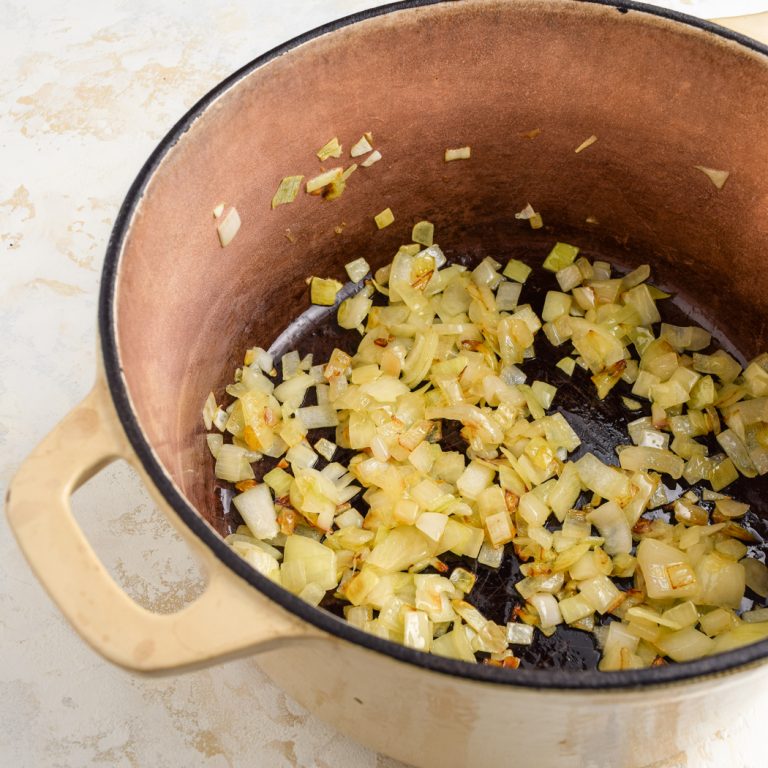
  • While the pasta cooks, heat the olive oil in a large pot or skillet. Add in the onion and cook until soft, about 5 minutes.Pasta Primavera Process Photo 2
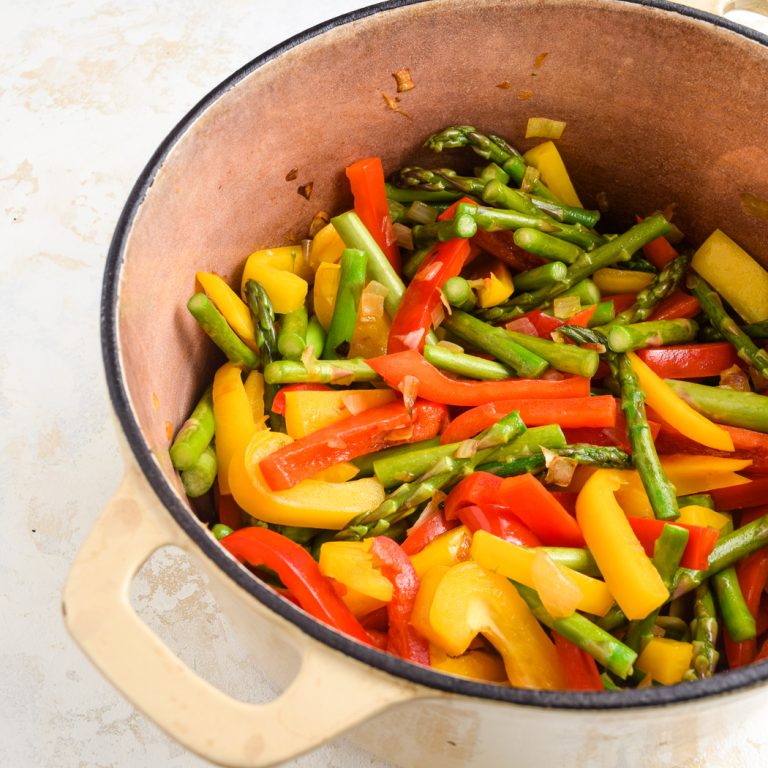
  • Add in the asparagus, yellow bell pepper, and red bell pepper – cook for 2-3 more minutes.Pasta Primavera Process Photo 3
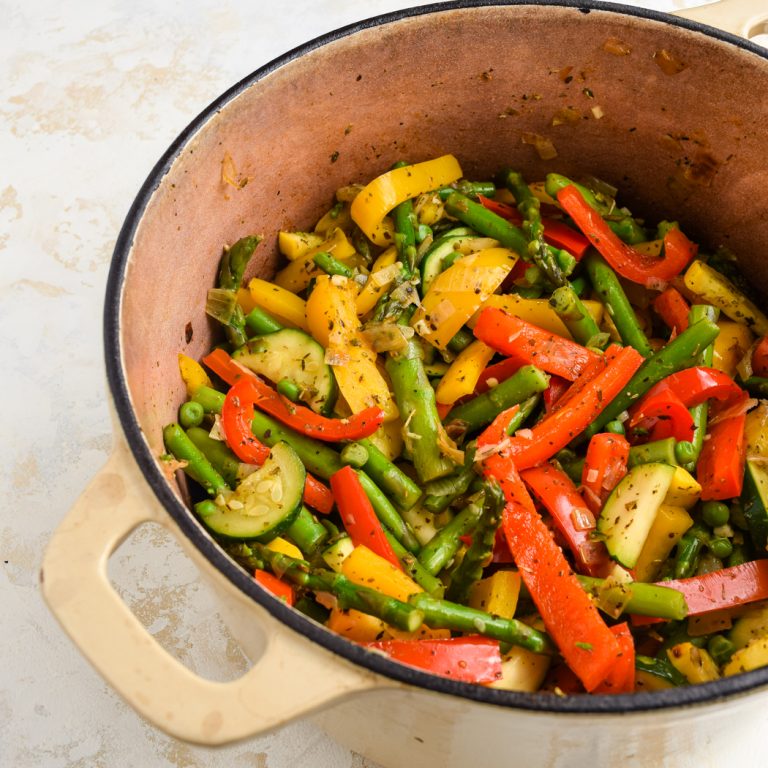
  • Add in the zucchini, squash, peas, garlic, Italian herb, salt, and pepper. Mix to combine and cook for 2-3 minutes.Pasta Primavera Process Photo 4
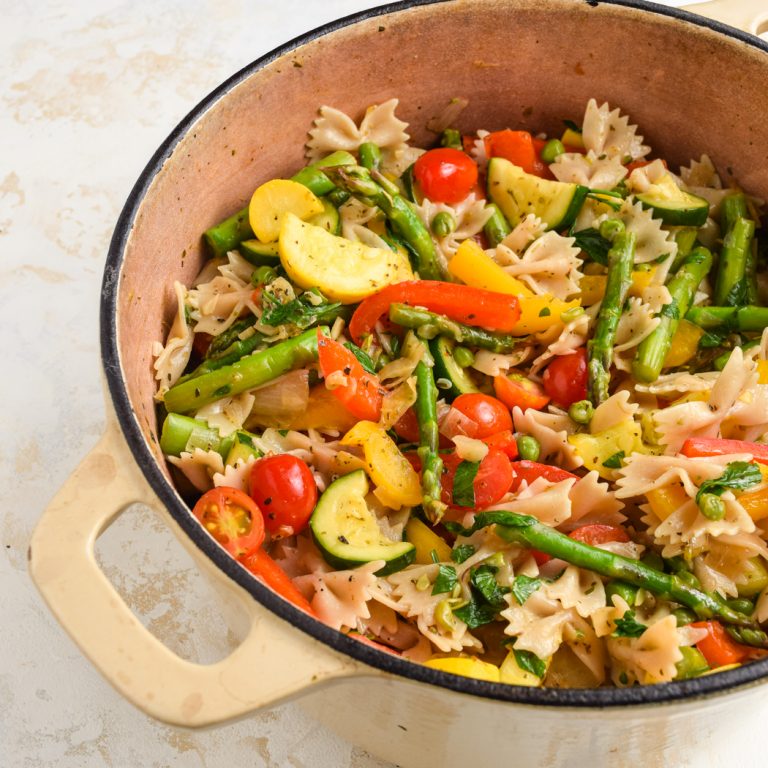
  • Turn off the heat, add in your cooked pasta, grape tomatoes, lemon juice, and parsley.Pasta Primavera Process Photo 5

Notes

  • Gluten-Free Pasta: I use and love Jovial Brown Rice Farfalle Pasta in this recipe, but any gluten-free pasta will work.
  • Feel free to add in or remove any vegetables you’d like. The point of this pasta is to be loaded with your favorite fresh vegetables. Have fun with this recipe and don’t be scared to make it your own!

Did you make this recipe?

Share it and tag @samdoesherbest on Instagram!

Like this recipe?

Follow us @samdoesherbest on Pinterest
More Delicious Pasta Recipes

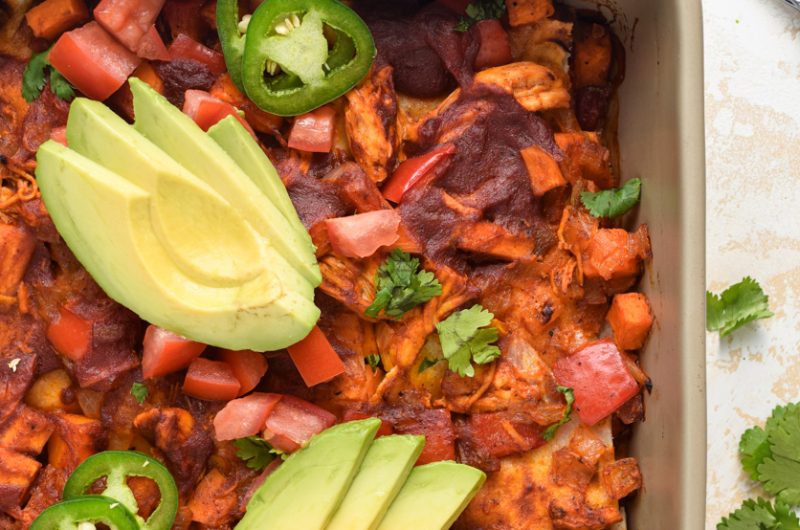
This paleo enchilada casserole is made with the healthiest ingredients! A quick and easy homemade enchilada sauce is bursting with delicious Mexican-inspired flavors. This recipe packs in plenty of veggies and lean protein, making this paleo enchilada casserole a simple a nutritious dinner option.

Paleo Enchilada Casserole served on a plate topped with fresh avocado and jalapenos.

The Story Behind This Paleo Enchilada Casserole

I’m a BIG fan of all things Mexican food. Mexican food is easily my most favorite cuisine (no one tell my Italian grandmother I said that!). My main goal in life, other than creating delicious gluten-free and dairy-free recipes for you guys, is creating EASY gluten-free and dairy-free recipes for you guys. We’re all busy, trust me I get it. And we don’t always have the time to hand-roll 30 paleo meatballs. So I asked myself, what’s easy?? And time and time again came back to casseroles. I might have my mid-western mom to thank for this, she’s a big casserole gal. I find that where I live in the Northeast, casseroles aren’t as big of a part of people’s weekly dinner rotations. Well, I don’t care where you’re from, because I’m gonna make sure you get comfortable and excited about making casseroles!

This paleo enchilada casserole is easy, loaded with flavor, slightly spicy, incredibly healthy, and super satisfying. There are also ways to make this casserole even easier. Not up to making your own enchilada sauce? Simply pick up a bottle from the store! Don’t have time to cook and shred the chicken? Simply pick up some pre-cooked and shredded or chopped chicken from the store! This recipe is really so easy to customize and make your own, which I highly encourage you do. Oh and before I get into the other stuff I should probably note that this paleo enchilada recipe makes a large batch! I got around eight servings out of my casserole and was able to store it in the fridge, then heat it up and enjoy it all week long.

What You Need To Make Paleo Enchilada Casserole

Arrowroot Starch – This is the paleo version of cornstarch. If you don’t have arrowroot starch, you can easily substite it with cornstarch in this recipe. However, do not leave this ingredients out as it is key to making your enchilada sauce thick and creamy.

Chicken Broth – Feel free to use beef broth, vegetable broth, or even bone broth instead. You can use water if you’d like, but I recommend broth for extra flavor.

Sweet Potato – A large sautéed sweet potato replaces black beans in this paleo enchilada casserole recipe. In case you’re not aware, black beans are not paleo-compliant. However, if you are not strict paleo you can easily use one or two cans of black beans instead.

Diced Green Chiles – Though small, diced green chiles pack a TON of flavor. If you’er having a hard time finding diced green chilies at your local grocery store, try looking in the ethnic food aisle – that’s where I almost always find them!

Adjust This Recipe To Your Dietary Needs

  • Add Dairy: Sprinkle 1 cup of shredded cheese on top of the casserole before baking OR sprinkle queso fresco on top of the casserole after baking.
  • Make it Vegan/Vegetarian: Use vegetable broth instead of chicken broth and 2 cans of drained and rinsed black beans instead of chicken.

Paleo Enchilada Casserole

0 from 0 votes
Recipe by Samantha Russo Course: MainCuisine: MexicanDifficulty: Easy
Servings

8

servings
Prep time

10

minutes
Cooking time

30

minutes
Total time

40

minutes

This paleo enchilada casserole is made with the healthiest ingredients! A quick and easy homemade enchilada sauce is bursting with delicious Mexican-inspired flavors. This recipe packs in plenty of veggies and lean protein, making this paleo enchilada casserole a simple a nutritious dinner option.

Ingredients

  • For the enchilada sauce:
  • 3 Tablespoons Olive Oil

  • 3 Tablespoons Arrowroot Starch, see Notes

  • 1 Tablespoon Chili Powder

  • 1 Teaspoon Cumin

  • 1 Teaspoon Salt

  • 1/2 Teaspoon Onion Powder

  • 1/2 Teaspoon Garlic Powder

  • 1 Teaspoon Apple Cider Vinegar, see Notes

  • 6 Ounces Tomato Paste

  • 2 Cups Chicken Broth

  • For the casserole:
  • 1 Tablespoon Olive Oil

  • 1 Yellow Onion diced

  • 1 Bell Pepper diced

  • 1 Large Sweet Potato cubed

  • 4 Ounce Can Green Chiles

  • 1 1/2 Pounds Chicken Breast cooked and shredded

  • 8 Grain-Free Tortillas halved, see Notes

Directions

  • For the enchilada sauce:
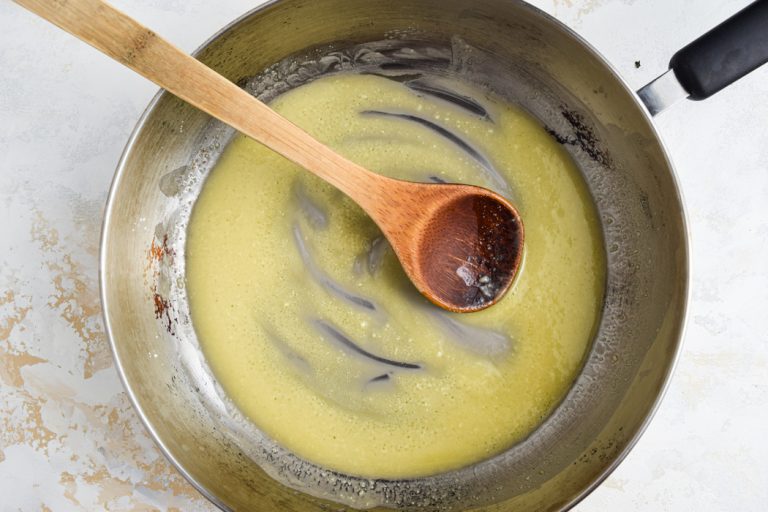
  • Mix together the olive oil and arrowroot starch in a large saucepan over medium heat.Paleo Enchilada Casserole Process Photo 1
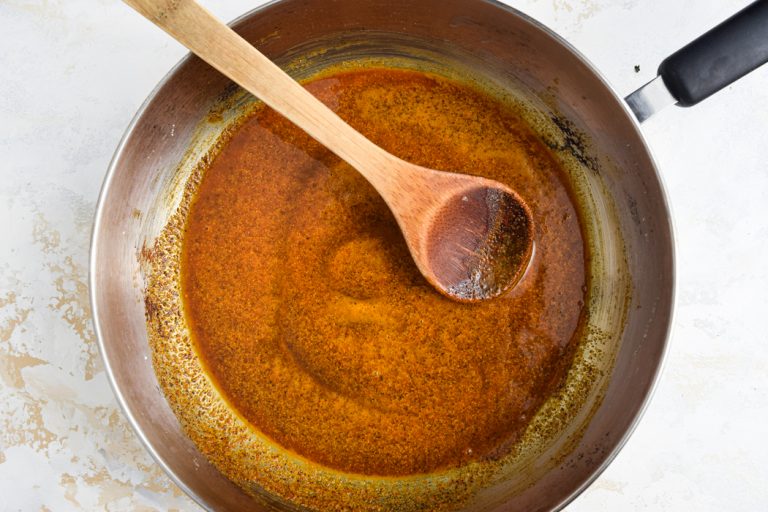
  • Once starch has dissolved, add in the chili powder, cumin, salt, onion powder, and garlic powder and cook for 2 minutes.Paleo Enchilada Casserole Process Photo 2
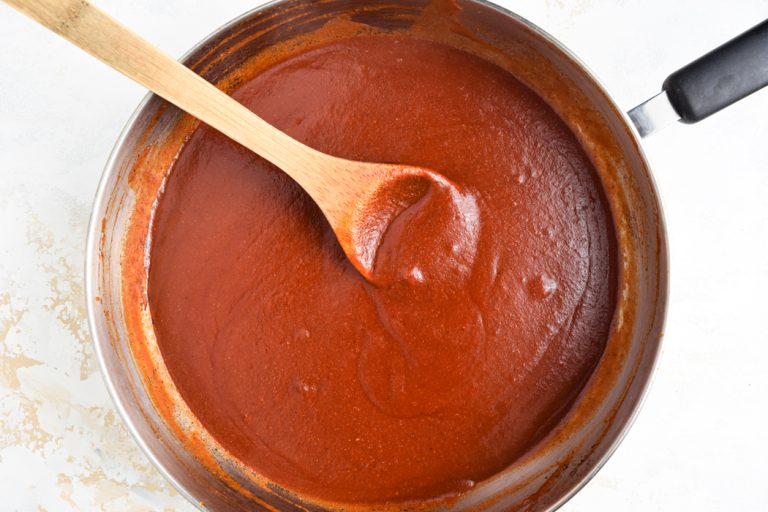
  • Add in the apple cider vinegar, tomato paste, and chicken broth then bring to a boil before reducing to a simmer for 5 minutes or until sauce has thickened. Use immediately in the recipe below.Paleo Enchilada Casserole Process Photo 3
  • For the casserole:
  • Preheat oven to 375° Fahrenheit and grease a 9×13-inch baking dish.
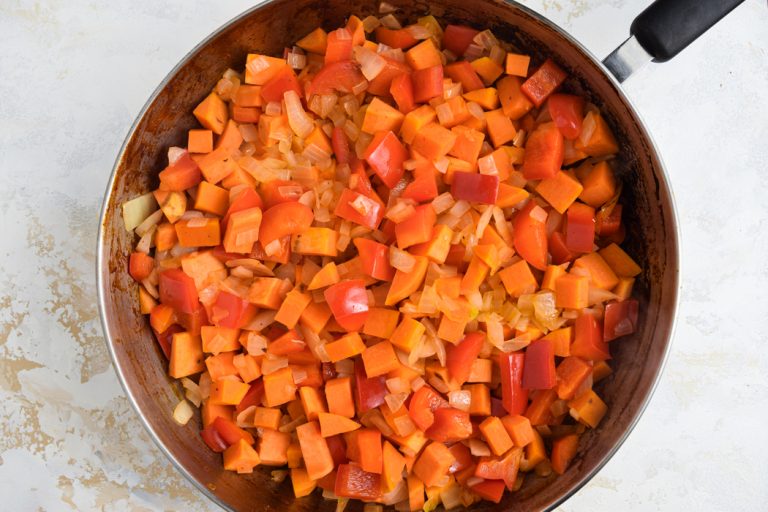
  • Sauté the onion, bell pepper, and sweet potato in olive oil over medium heat for 10 minutes.Paleo Enchilada Casserole Process Photo 4
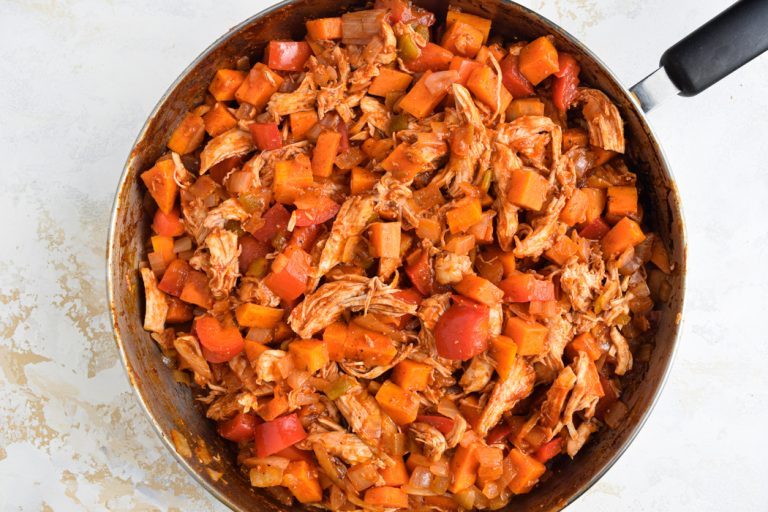
  • Add in the diced green chiles, shredded chicken, and 1 cup of enchilada sauce. Cook for another 2 minutes before removing from heat.Paleo Enchilada Casserole Process Photo 5
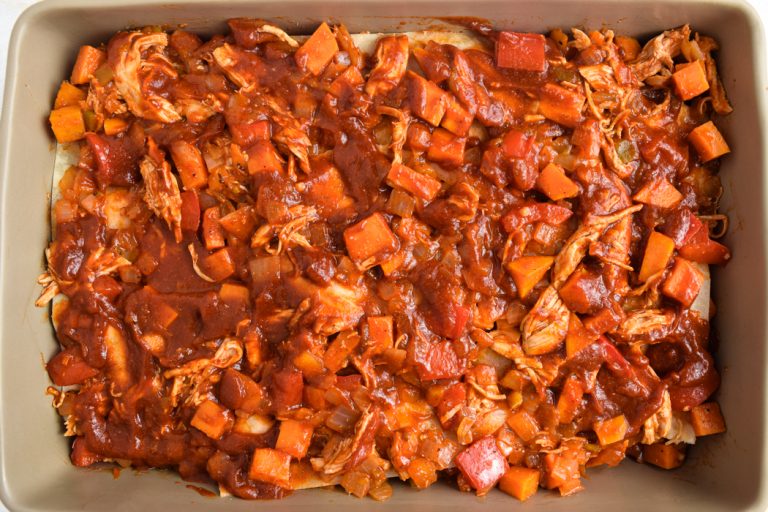
  • Evenly spread 1/2 cup of enchilada sauce on the bottom of your baking dish. Follow that up with an even layer of 6 tortillas halves, top the tortillas halves with 1/3 of the chicken mixture, repeat with a layer of 5 tortilla halves, then 1/3 cup of the chicken mixture. Layer the last of the tortilla halves, the last of the chicken mixture, and top casserole with 1/2 cup of enchilada sauce.Paleo Enchilada Casserole Process Photo 6
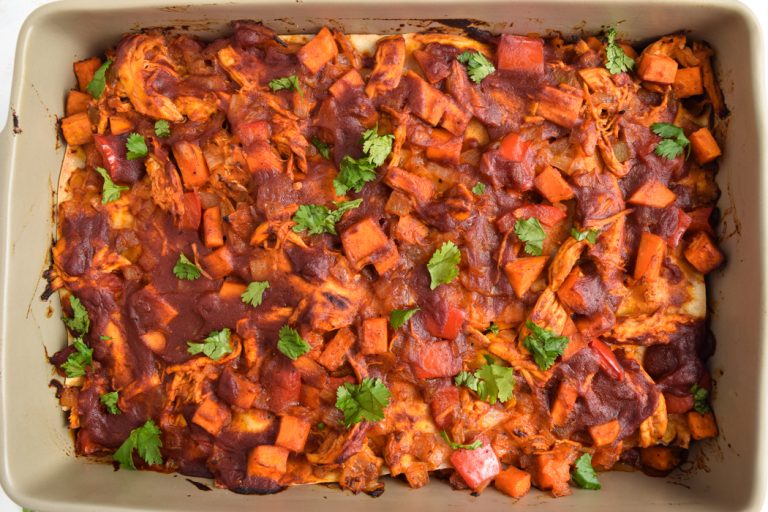
  • Cover casserole with aluminum foil and bake for 20 minutes, then remove foil and bake uncovered for another 10 minutes.Paleo Enchilada Casserole Process Photo 7

Notes

  • Arrowroot Starch: If not paleo, you can sub 3 tablespoons of cornstarch for the arrowroot starch.
  • Apple Cider Vinegar: You can sub white vinegar for the apple cider vinegar in this recipe.
  • Grain-Free Tortillas: I love and recommend Siete grain-free tortillas, if you’re not grain-free you can use your favorite corn or flour tortillas instead.

Did you make this recipe?

Share it and tag @samdoesherbest on Instagram!

Like this recipe?

Follow us @samdoesherbest on Pinterest
More Easy Dinner Recipes